Latest News

The official inauguration of the Digital Terrestrial Television Broadcasting (DTTB) project took place on June 9 at the Ministry of Mass Media, marking a pivotal milestone in Sri Lanka’s journey toward digital transformation.

Japanese engineering consultants spearheading this cutting-edge initiative were formally welcomed by Hon. Nalinda Jayatissa, Minister of Health and Mass Media; Hon. Eranga Weeraratne, Deputy Minister of Digital Economy; Hon. Harshana Suriyapperuma, Deputy Minister of Finance and Planning; and Dr. Anil Jasinghe, Secretary to the Ministry of Health and Mass Media.

This landmark project will see Sri Lanka transition from its outdated 46-year-old analogue broadcasting system to a state-of-the-art digital infrastructure. Upon full implementation, citizens across the country will enjoy high-definition (HD) television with enhanced content quality and wider coverage.

A major highlight of the initiative is the development of a new 4K digital studio complex for the Sri Lanka Rupavahini Corporation, marking a leap forward in local content production and aligning national media capabilities with global standards.

The project is made possible through the generous support of the Government of Japan, JICA, and a coalition of local and international partners. More than a technological upgrade, the DTTB initiative serves as a cornerstone for Sri Lanka’s digital economy, fostering a more connected, informed, and media-savvy society.

As the Ministry of Digital Economy continues to drive innovation across sectors, the DTTB project stands as a symbol of progress—bridging the gap between traditional broadcasting and the future of digital communication.


President Anura Kumara Disanayake declared that the restoration of Sri Lanka’s natural environment is a civic duty that transcends generations, asserting that ecological preservation can serve as a powerful unifying force for the nation. He made these remarks while attending the national ceremony to mark World Environment Day, held at Nidahas Mawatha in Kegalle.
 
The President emphasised that environmental restoration must begin with the removal of the damaging political culture that enabled destruction in the first place. “The political authority behind environmental degradation has been dismantled,” he said, issuing a stern message to public officials: “The time for change has come.”
 
The national campaign for World Environment Day this year, aligned with the global theme Beat Plastic Pollution, is operating under the sub-theme Let It Sprout. The President explained that this is not a mere symbolic observance, but a call to action, with programmes designed to create room for the environment to recover and regenerate.
 
Among key decisions announced at the event were: the declaration of Bandula Pethiya’s (Bandula Barb) habitat as a protected sanctuary; the gazetting of four new nature reserves along with the Nilgala Conservation Area; the designation of three schools as Eco-Friendly Model Institutions; and the launch of an evaluation system for Green Railway Stations. The event was jointly organised by the Ministry of Environment, its affiliated bodies, all state institutions, the Clean Sri Lanka Secretariat and environmental organisations.
 
President Anura Kumara Disanayake further stated;
“Today is a momentous day. I have addressed many gatherings before and spoken on numerous occasions and voiced many opinions. But what I have to say today is not just another speech. It is a deep expression of commitment and responsibility towards our motherland and our natural ecosystem. I don’t see this as merely a ceremonial event, but as a declaration of our collective feelings and obligations towards environmental protection.
 
Foreign visitors often tell us how beautiful our country is. And it’s true, we are fortunate to possess an ecological legacy that has shaped our landscape and heritage. That same environment continues to enhance the beauty of our nation even today.
However, beneath this apparent beauty lies a tragic reality. We must ask ourselves: is the beauty we see truly reflective of a healthy ecosystem? Or is it a deceptive surface covering deep-seated environmental destruction? I believe we are facing a profound ecological tragedy.
 
In our youth, we knew a country free of landslides. But in our lifetime, we have witnessed the devastation of landslide disasters. We knew a Sri Lanka that was not plagued by severe floods or extreme droughts. Yet, we now experience these calamities all too frequently. The human-elephant conflict has reached crisis levels. A nation once known for its vibrant biodiversity now suffers from growing discord between nature and its inhabitants.
 
We who live in the present have a duty that we simply cannot ignore. We must restore our ecosystems. If this degradation continues unchecked, we will leave future generations with an irreversible catastrophe. Therefore, it is our moral responsibility to safeguard and rehabilitate the environment for our subsequent generations.
 
Sri Lanka already possesses some of the strongest environmental laws. We have a robust state apparatus capable of enforcing them. Yet, political patronage has been a significant barrier. Many of the coastal sand mining operations are owned by politicians or their close associates; you know this as well as I do. Even forest destruction has taken place under political protection.
 
Let me say this clearly: do not be agents of ecological destruction. Be agents of life. We will provide the political support needed for you to do so. The political authority has undergone reform, but elements of the bureaucracy remain trapped in outdated practices.
 
We have discovered officials in the Department of Immigration forging passports. We have found customs officers smuggling goods. There are even mining officials involved in enabling illegal exploitation. These are not isolated cases. That is why I say, let go of the old ways. Embrace change. The time has come. And I will repeat this again and again, either you change, or we will change you.
 
When I was living in Anuradhapura, water could be found just six feet below the ground. But today, even after digging sixty feet, water is nowhere to be found. We never imagined that, within our lifetime, shops would open in Anuradhapura to sell water. In the past, when we climbed Kadugannawa, all we could hear were the sounds of cicadas or crickets and flowing water and our ears get blocked. But now, that sound is gone. The environment has dried up. We have become a generation that is witnessing this environmental tragedies unfold within our own lifetime.
 
Many of the reservoirs in the central highlands are now filled with sediment. This raises an important question: did we truly consider the environmental impact when implementing these development projects? Historically, our ancestors never constructed reservoirs within the central highlands. Instead, they protected the highlands and diverted the water that flowed from them to build reservoirs at lower elevations. The Minipe canal system is one such example. In those days, the central highlands were also home to dense elephant populations.
 
Today, we no longer see flocks of storks or swarms of butterflies in our ecosystem. These are visible consequences of the destruction caused by human activity. Children are now growing up in a world where butterflies are no longer part of their natural surroundings. Therefore, it is our responsibility to restore an ecosystem where butterflies and other wildlife can return. In every field be it economics or education different perspectives may exist. But when it comes to the environment, there can be only one shared understanding the need to protect it. Safeguarding the environment and handing it over to the next generation is a duty that falls upon us as adults. Fortunately, citizens are standing with us in this effort and that gives us the opportunity to restore our natural ecosystems.
 
When it comes to environmental issues, Sinhala, Tamil and Muslim communities can all come together. Regardless of the nature of our national challenges, the environment is an area where unity is possible. The environmental sector has the potential to foster national cohesion. We now have an opportunity to rebuild our national environment through a shared national consciousness. That is why we are calling on everyone to “Let it Sprout”.
 
We have a responsibility to revive this land. A land that has dried up, where water systems have sunk deep underground, and where rapid destruction fuelled by concrete and plastic has taken its toll. I firmly believe it is our collective duty to restore and rebuild such a nation.
 
In doing so, this is the message we convey to the world: though we may be a small island in size, today we can rise as a giant in conscience. United, we can transform our country into a state that proudly owns a healthy and sustainable environment. When that day arrives, the world will look to Sri Lanka and say:
 
This is a nation that has reconnected with the land  not in conflict with nature, but in harmony with it. Today, we find ourselves in confrontation with the natural world. Let us make it our collective aspiration to build a country that lives in peace with the earth. To achieve this, we must come together as one.
 
The event was attended by several distinguished guests, including Minister of Environment Dr. Dammika Patabendi, Governor of the Sabaragamuwa Province Champa Janaki Rajaratne, and the leader of the Indigenous Community, Uruwarige Vannila Aththo.

Independent Television Network (ITN), the pioneer television station in Sri Lanka celebrates its 46th Anniversary today (June 05).

ITN Ltd., commenced operations on April 13, 1979 with the introduction of the ITN television channel. As the first television broadcasting service of Sri Lanka and South Asia they began transmission of the first terrestrial television channel in the country. Started operations with very modest beginnings, and very basic equipment comprising a 1KW transmitter and a 65 foot antenna mast, ITN beamed programmes to a radius of about 15 miles in and around Colombo.

On June 05, 1979 ITN was converted to a government owned business undertaking, under a Competent Authority. In 1992, ITN was converted to a public company under State jurisdiction. The founding board of directors was composed of Shan Wickramasinghe, Anil Wijewardene and Bob Christie.

The rare ITN captured visuals on the Tsunami are still used by media all over the world. ITN is a Shrama Abhimani Award winner (Oct 2009). ITN channel is also the first 1080p full HD television channel in Sri Lanka.

ITN now has a daily transmission of 20 hours. There is also a small component of English programmes mainly featuring films and dramas with worldwide appeal. On the Engineering side, five transmitting stations spread throughout the Island enables coverage to most parts of the Island. With the establishment of another transmitting station in the central hilly region it is expected that ITN programmes will cover the entire Island.

ITN will commence its Multi Media Campus (MMC ITN Campus) shortly (on June 07) setting another milestone. It will provide the opportunity for students to follow the best certificate course in Sri Lanka for Digital Communication.

SriLankan Airlines yesterday welcomed an Airbus A330-200 wide-bodied aircraft bringing the SriLankan fleet to 23. The aircraft performed a low fly-past over Colombo and Katunayake before touching down at the Bandaranaike International Airport (BIA).

Directors of the Board and members of SriLankan Airlines’ senior management team pose alongside the operating crew who flew the aircraft from France to Colombo. Inset: The aircraft receiving the traditional water cannon salute at the BIA.

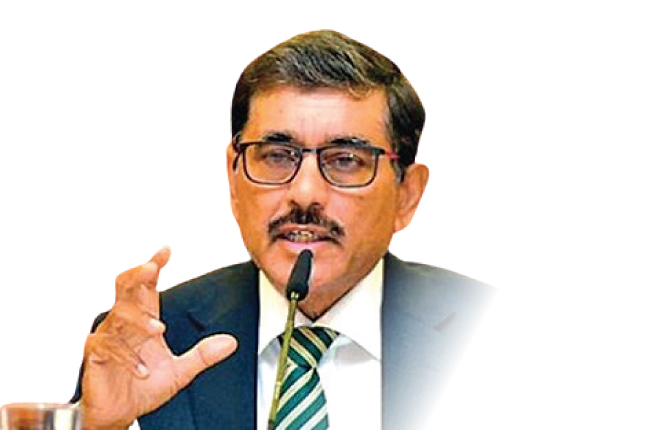
Novel variants of SARS-CoV-2 virus that cause COVID-19 disease have not been detected in Sri Lanka, Health Ministry Secretary Dr. Anil Jasinghe said yesterday.

“The variant currently in circulation, first reported in many countries in 2024, is a sub-lineage of a previously known genetic variant. This same variant was detected in Sri Lanka in 2024, and tests conducted by the Medical Research Institute (MRI) in May 2025 confirmed the continued presence of these sub-lineages. These are not novel variants, and no evidence of increased severity or complications has been observed,” he said.

Issuing a special media statement on the current COVID-19 situation in Sri Lanka, Dr. Jasinghe yesterday said that the World Health Organization (WHO) has reported a global increase in the activity of the SARS-CoV-2 virus, the causative agent of COVID-19, since February 2025.

According to the International Respiratory Surveillance System, several countries, particularly in Asia, have reported a notable rise in COVID-19 cases over the recent months.

Sri Lankan health authorities have acknowledged this trend, reassuring the public that no new variant has emerged, and emphasising the importance of vigilance, not panic.

“In May 2023, the WHO officially declared the end of the global pandemic status of COVID-19. Since then, it has been classified and treated as an endemic disease, similar to other common respiratory infections,” he said. Dr. Jasinghe further explained that genetic mutations of the SARS-CoV-2 virus are a known phenomenon during its transmission.

According to Sri Lanka’s Respiratory Surveillance System, in 2024, 3 percent of respiratory specimens tested for SARS-CoV-2 yielded positive results, with a peak of 9.6 percent in May 2024. For 2025 so far, the average positivity rate is around 2 percent, with a slight increase noted in the present period.

“We observed a rise in reported COVID-19 cases in May 2024 and again in May 2025. However, the WHO has not drawn any definitive conclusions about future transmission patterns. Monitoring and research are actively ongoing,” said Dr. Jasinghe.

The Health Secretary also noted that seasonal increases in respiratory illnesses, such as influenza, are common during this time of year, especially due to prevailing climatic conditions.

“Our health authorities remain vigilant in tracking disease trends. The public need not panic unnecessarily. If someone experiences fever or respiratory symptoms, there is no need for hospital admission out of fear. However, medical attention should be sought if breathing difficulties occur,” he said.

Dr. Jasinghe urged the public to practice good respiratory etiquette and health habits to minimise the spread of COVID-19 and other viral respiratory infections. These include covering the mouth and nose with a tissue when coughing or sneezing, avoiding unnecessary contact with the face, washing hands properly or using alcohol-based hand sanitizers, avoiding touching the face with unclean hands, wearing facemasks if symptomatic and avoiding crowded public settings unless necessary.

Special emphasis was placed on the need to protect high-risk groups.

“Older adults, pregnant women, and young children, whose immune systems are compromised or still developing, need special attention,” said Dr. Jasinghe.

“Those with chronic conditions, including heart disease, chronic respiratory illnesses, diabetes, kidney disease, cancer, and those on immunosuppressive therapy are at increased risk and require additional protection.”

President Anura Kumara Disanayake emphasized that he gives the nation his assurance that not a single rupee of the tax money paid by the people will be misused or lost to corruption.

He further stated that if any politician or public official is found engaging in such misconduct, strict action will be taken regardless of their position and the maximum possible punishment will be enforced. The President affirmed his commitment to ensuring justice for the taxpayers by dismantling the corrupt mechanisms that have long operated against the public interest.

President Disanayake made these remarks this morning (02) while addressing the inaugural ceremony of the national programme titled “Tax Power’ to enhancing Tax Compliance and Broadening the Tax Base held at the Presidential Secretariat.

The launch of “Badu Shakthi – National Tax Week” also took place in parallel under the theme “Your Tax – Your Future”.

The President emphasized that the current government inherited a nation in a state of collapse and that a well-structured tax system is essential to revive and rebuild the country.

He further noted that Sri Lanka is currently under economic probation and invited all citizens to join hands in building a self-sufficient national economy. He underscored that the extended credit facility agreement with the International Monetary Fund (IMF) should mark the final such programme for the country.

The “Tax Shakthi” National Tax Week commenced with the objective of transforming negative public perceptions surrounding tax compliance into a more constructive outlook, while fostering a new tax culture grounded in transparency, accountability, and civic responsibility. From June 2 to June 7, a series of awareness programmes will be carried out to educate the public on the importance of tax contributions, how tax revenue supports national development and the tangible benefits delivered to citizens through effective public financing.

As part of the initiative, the Inland Revenue Department officially launched its online platform for the submission of individual income tax returns for the 2024 assessment year. Marking a significant gesture of leadership and commitment to fiscal responsibility, President Anura Kumara Disanayake submitted his personal income tax return via the online portal, becoming the first to do so for the 2024/25 assessment year.

Additionally, the implementation of the ASYHUB system at the Sri Lanka Customs Department was carried out as part of this initiative. Developed with the support of the German government and the UNCTAD organization, this modernized system enables importers to complete their customs procedures before the goods arrive in the country. Through this system and the integrated risk management software used by Customs, risk-free shipments are directly cleared at the port and conveniently transported to the respective importers’ warehouses.

Excise Department officers were introduced to a new mobile application designed to identify legally manufactured alcoholic beverages through a secure labelling system.

Secretary to the President, Dr. Nandika Sanath Kumanayake, also addressed the event, stating that the primary aim of Tax Week is to enhance tax compliance among the business community and the general public, thereby strengthening the national tax base.

Secretary to the Ministry of Finance, Mahinda Siriwardana, noted that paying taxes is a goodwill investment made by citizens for the betterment of the country.

Convenor of the “Clean Sri Lanka” initiative, Senior Additional Secretary to the President Russell Aponsu emphasized that tax compliance plays a crucial role in building a well-disciplined nation guided by ethical and sustainable development principles.

The full speech delivered by President Anura Kumara Disanayake at the event:

There is a generally negative perception of taxation in our country. Public discourse often reflects concerns about tax wastage, tax evasion and the overall complexity of the tax system. Moreover, institutions have emerged with the sole purpose of advising individuals and businesses on how to evade taxes. These attitudes have developed largely due to the weaknesses in our tax administration system and the public’s awareness of past misuse and mismanagement of tax revenues. Therefore, it is essential that we initiate a broader public discussion on tax compliance, the mechanisms through which taxes are collected, and the prevailing public attitudes toward taxation.

When we examine some of the available data, the picture is far from encouraging. Only 43% of those registered as companies have submitted their tax returns. For the 2023–2024 period, only 23% of individuals liable for income tax have filed returns. Among partnerships, the compliance rate is 46%. Meanwhile, just 18% of those liable for PAYE tax have submitted their returns. None of these figures exceed 50%, clearly indicating widespread tax non-compliance and deliberate efforts to evade taxes.

The root cause of this situation lies in the public’s criticism particularly from taxpayers of how past political administrations have misused tax revenues. Therefore, our first responsibility is to assure the people that their tax money will be used appropriately and exclusively for essential needs. That assurance is now entrusted to me and to the current political leadership. As President, I give you my personal guarantee that not a single rupee of your tax money will be wasted or misappropriated by the political authority.

I, as President, have been granted certain privileges funded by public tax money through laws, gazette notifications and Cabinet decisions. However, we have already relinquished many of those privileges. I have made every possible effort to reduce expenditures under the Presidential budget allocation, in order to safeguard every rupee contributed by the people. The Cabinet and Members of Parliament are following the same principle. We are operating under a regime of discipline and accountability. And that is where we begin to set the first example.

We must also build an efficient public service. We are making a concerted effort to transform the relationship between the state apparatus and the citizen into a fast, efficient and fully digital system. At the same time, corruption that has spread throughout the public sector must be eradicated. You are aware that when an ordinary citizen applies for a passport, they must personally visit the Department of Immigration and Emigration, submit their photograph and provide fingerprints. Yet, underworld figures have been issued multiple passports with different sets of fingerprints and several types of photographs. Institutions tasked with upholding our legal framework have themselves contributed to its breakdown.

Similarly, there was a case where a locker belonging to an officer of the Department of Motor Traffic contained a sum of money that could not have been legally earned even over three years. There are serious allegations surrounding the Customs Department. The Excise Department is also affected by similar issues. As a result, while our country may appear peaceful on the surface, a hidden shadow system continues to operate beneath. This underground network is run by organized smuggling rings. Recently, during the opening of a new Customs warehouse system, illegal imports by some well-known branded companies were uncovered clearly pointing to the involvement of powerful players in this black economy. This shadow system has long been protected by political authorities. It also includes certain state officials, illegally armed individuals, and even some members of the media.


Therefore, we are confronting a highly organized shadow system. I assure the people of this country that this shadow system will be dismantled. We are building a nation where everyone is subject to the rule of law. What use is amassing great wealth if, at the age of 61, you end up spending 20 years behind bars? Can anyone justify stealing public funds after receiving their education through public money and drawing a salary funded by taxpayers? All such actions will be punished. This issue regarding public funds is not merely a matter of paying or collecting taxes. It is a deeper, networked problem. Pointing fingers at individual institutions will not solve it, because it is an interconnected system. Therefore, as a state apparatus, we must be fully prepared to deal with it. Anyone unwilling to take on this responsibility is free to step aside. Unless this shadow system is broken, the country will not be able to move even an inch forward. That is why we are committed to dismantling this corrupt network.

Entrepreneurs are conducting their businesses lawfully and paying fair taxes to the government. It is the responsibility of the state to protect that system. Likewise, those who work hard to earn an honest living and pay a portion of it to the government in taxes deserve the assurance that their contributions are safeguarded. That is our responsibility. Therefore, I invite every taxpayer to continue fulfilling your duty. I give you my assurance that every rupee you pay will be protected. And if even a single rupee is misappropriated, I will ensure the full force of the law is brought to bear against it.

In this process, neither power nor social background will be taken into account. Only by cleansing this entire shadow system can we realistically achieve our tax revenue targets. Therefore, our key objective during Tax Week is to send this message to society. To that end, a broad and inclusive social dialogue must be initiated.

When we look closely at the lives of ordinary people, we see that we have failed to create an economy that adequately meets their basic needs. One of the foremost concerns raised by many industrialists and businesspeople is the issue of taxes. Consequently, the most frequent discussion revolves around the perception that taxes are an obstacle to economic activity. Taxes are not a hindrance to economic movement. I am ready to assure every entrepreneur and industrialist that if your industry lacks reliable electricity, we will provide it. If you do not have suitable land to carry on your business, we will acquire and provide it. If you lack access to water facilities, we will supply them. If the roads are inadequate, we will build proper roads. However, you must pay your taxes. No one should request tax concessions in the name of developing their industry or business. Everything else infrastructure, legal frameworks and efficiency improvements we will arrange and provide. But you must pay your fair share of taxes.

We are systematically undertaking the reconstruction of a collapsed economy. We face a significant challenge though I am reluctant to emphasize this, it must be said. What we have inherited is a stalled country. Typically, during a change of government, the country continues to move forward despite political transitions. Many have gained from this momentum. However, what we encountered was a country at a complete standstill. Investments, projects and foreign loans everything had come to a halt. Now, what has been entrusted to us? How do we revive a country that has been stopped on all these fronts? That is our primary challenge. This is why we are striving to revive the projects that were halted, particularly through foreign investments. We believe that within the next two to three months, a substantial number of these stalled projects will be able to restart.

Therefore, what we have is a country that needs to be revived. A country that is running can be held and directed, but what we have is a country that needs to be awakened. In that process, we must first understand the underlying causes that led our country to this collapse. Even in the midst of this crisis, as political leaders, as public officials, and as members of the general public, if we fail to learn from these failures, then we fail as human beings. Some of the root causes of this collapse have even been pointed out by the Supreme Court.

Recently, when punishments were handed down to those involved in corruption and fraud, the judges also highlighted the root causes of this collapse. Through our own life experiences, we have identified the factors that led to this breakdown. Therefore, the responsibility entrusted to us is to thoroughly understand these root causes and prevent their recurrence.

One of the main reasons for this collapse was our failure to properly reform the tax system and collect a fair amount of tax revenue. This crisis was of our own making. If I recall correctly, in around 1996, tax revenue accounted for about 23% of the national income, but it has since fallen to just 7.3%. This decline was a significant factor that contributed to the deepening economic crisis. Hence, it is essential to efficiently collect taxes. This crisis arose precisely because we failed to do so. Over different periods, tax reforms were carried out to satisfy various political agendas rather than economic principles. This politically driven approach to tax reform created a major problem. I assure you that we do not make any economic decisions based on political principles. All our economic decisions are made strictly on economic fundamentals. Politically motivated economic decisions were one of the reasons the country as a whole fell into collapse.


Because we were unable to overcome this crisis on our own, we have become subject to external control. We are being managed from above. Our revenue targets are now set for us. This year, the national income must grow by 15.1%. Of that, 2.3% must be maintained as a primary surplus. We have to manage the economy according to expenditure limits and revenue targets agreed upon by external parties. Why? Because we were the “bad child.” Now, we have been punished and placed under guardianship. Our economy and assets are under guardianship. Are we to remain an economy always under such guardianship? Certainly not. In a discussion with Mr. Mahinda Siriwardhana, Secretary to the Ministry of Finance, the consensus was reached that this should be regarded as the final stage of entering the International Monetary Fund’s extended loan programme. We must embark on an economic journey based on our own criteria and targets.

However, at some point, our economy must set economic goals aligned with the public’s aspirations and social expectations. Yet, currently, we are managing an economy partly under guardianship. Therefore, our firm determination is to bring this to an end this phase of the IMF extended loan programme and move forward. To achieve this, our government revenue must be increased. A large portion of this revenue comes from taxes. The bulk of tax collection and administration falls on the Department of Inland Revenue, the Department of Customs and the Excise Department. Therefore, as taxpayers, tax collectors, and tax administrators, let us work together to succeed in this effort. Let us strive to transform an economy under guardianship into a sovereign economy with full independence.

Joining this effort were Minister of Labour and Deputy Minister of Economic Development Anil Jayanta Fernando, Deputy Minister of Finance and Planning Harshana Suriyapperuma, Governor of the Central Bank Dr. Nandalal Weerasinghe, along with other senior government officials, provincial governors and private sector representatives.

There is currently no threat of a new COVID-19 variant spreading in Sri Lanka, and the public should not be alarmed unnecessarily, according to a statement issued by Dr. Anil Jasinghe, Secretary to the Ministry of Health and Mass Media. The statement, based on data from the Epidemiology Unit, was released in response to recent reports of rising COVID-19 cases in several Asian countries.

Dr. Jasinghe noted that the increase in cases abroad could be due to several factors, including reduced public immunity. In light of this, the Health Ministry has intensified national preparedness efforts to safeguard public health, ensuring that all necessary precautions are in place.

According to the Secretary, the country’s Integrated Respiratory Surveillance System continues to monitor clinical samples from selected hospitals nationwide, and current data does not indicate a significant rise in COVID-19 cases. The laboratory surveillance systems remain active and are capable of detecting potential outbreaks early.

While there may be occasional increases in respiratory illnesses—including influenza and COVID-19—the overall risk to the general population remains low at present. However, high-risk groups such as the elderly, immunocompromised individuals, and those with chronic illnesses should be given special attention.

The Health Ministry emphasizes the continued importance of basic hygiene practices such as regular handwashing and covering the nose and mouth when coughing or sneezing. Dr. Jasinghe further urged the public to rely only on official information provided by health authorities, as they closely monitor the evolving global and local COVID-19 situation.

Hospitals are on standby, and the Ministry is committed to keeping the public informed with timely and accurate updates.

Representing Sri Lanka at the 78th Annual World Health Assembly (WHA) of the World Health Organisation (WHO), Health and Media Minister Dr. Nalinda Jayatissa delivered his address on Tuesday (20), emphasising the urgent need for sustainable financing in global healthcare systems.

The assembly, taking place from May 19 to 27 in Geneva under the theme “All for Health, Health for All,” brings together health ministers and over 15,000 delegates from WHO member states to discuss global health priorities and future strategies.

Minister Jayatissa highlighted Sri Lanka’s long-standing commitment to universal healthcare and stressed the importance of ensuring stable, long-term investments in health.

He expressed Sri Lanka’s support for the WHO Director-General’s report and commended the timely and relevant theme of this year’s assembly.

He acknowledged the recent economic challenges Sri Lanka has faced and noted that recovery is being achieved through the resilience of its people and strong global solidarity.

He expressed deep appreciation for the international support received and reaffirmed Sri Lanka’s dedication to the health-related Sustainable Development Goals (SDGs).

A key concern raised by the Minister was the migration of health professionals from Sri Lanka. From 2022 to 2025, 726 specialist doctors, 2,800 nurses and 1,116 medical officers have migrated to other countries, causing a significant financial and human resource loss to the national health system.

Dr. Jayatissa called for greater responsibility from destination countries and urged the WHO to ensure the effective and ethical implementation of the Global Code of Practice on the International Recruitment of Health Personnel. Sri Lankan tourism

The Minister also noted that one-third of Sri Lanka’s population sought outpatient care in 2023. To meet this growing demand and prevent gaps in service delivery, the Government has initiated comprehensive primary healthcare reforms, with the goal of leaving no one behind.

Highlighting current global challenges such as debt, disease outbreaks and malnutrition, Dr. Jayatissa emphasised the need for increased health sector investments and the importance of inter-sectoral collaboration.

He affirmed that the Sri Lankan Government remains committed to protecting the health of its citizens through coordinated and sustainable strategies.

Sri Lanka’s delegation to the WHA includes Health Ministry Secretary Dr. Anil Jasinghe, Sri Lanka’s Permanent Representative to the UN in Geneva Himali Arunatillake and First Secretary Nishanthini Victor, among other senior officials.

Sri Lanka commemorates its 53rd Republic Day today (May 22), marking a significant milestone in the nation’s journey toward full sovereignty.

Though the country gained independence from British rule on February 4, 1948, it retained Dominion status under the British Crown. During this period, key powers remained with British-appointed officials, including the Governor-General, who served as the head of state and Commander-in-Chief of the armed forces. Legislative authority and final judicial power were still influenced by British institutions, with laws requiring approval from the Governor-General and final legal appeals directed to the Privy Council in England.

This changed on May 22, 1972, when Sri Lanka adopted a republican constitution under the leadership of Prime Minister Sirimavo Bandaranaike. This historic move ended Dominion status, severed constitutional ties with the British monarchy, and established Sri Lanka as a fully sovereign republic with a new national constitution.

Today marks 53 years since that pivotal transformation, a moment that firmly established Sri Lanka’s full independence and self-governance.

President Anura Kumara Dissanayake addressing the 16th War Heroes’ Commemoration Ceremony yesterday said the event is not merely a remembrance of the war’s conclusion, but also a pledge to unite all communities, Sinhala, Tamil, Muslim, Burgher and Malay, in building a nation rooted in brotherhood and harmony, rather than allowing divisions to reignite.

“To the parents and wives of our fallen war heroes, I say this; you have made tremendous sacrifices, giving up your children and husbands to bring peace to this homeland. You are remarkable mothers and exceptional wives. What should be the genuine result of that sacrifice? The highest form of justice we can provide for your child, husband, friend or relative is to create enduring peace in this nation.

“Standing before this memorial and paying proper respect is not just an act of remembrance, it is a solemn pledge. A pledge that we will not allow conflict to rise again and that we will build a society of unity, love and brotherhood instead of one filled with hatred and division,” President Dissanayake said.

The National War Heroes’ Commemoration Ceremony, held to honour the victory that marked the end of a war spanning over three decades, was conducted with pride and dignity at the War Heroes’ Memorial in Battaramulla, under the patronage of Commander-in-Chief, President Anura Kumara Dissanayake.

Addressing the event, President Dissanayake further said for decades, the nation endured the horrors of war and conflict, which inflicted immense suffering on our people and land, and was brought to an end 16 years ago.

“Today, we honour the brave military personnel and officers who sacrificed their lives to achieve this peace. This day holds profound historical significance. Many soldiers sacrificed their lives to bring this war to a conclusion. Their names etched on these memorial stand testament to their sacrifice. Many others were left permanently disabled, while thousands of families still grieve the loss of loved ones. As a nation, we owe them an eternal debt. Their legacy binds us in gratitude and duty.”

Yet the President said ‘war’ is synonymous with tragedy and devastation. “Those who fought did not seek war for its own sake; they sought peace. Today, we witness the remnants of this devastation, children orphaned, parents bereaved and spouses widowed. Across our land, from North to South, grief knows no ethnicity.”

While noting that war is a tragedy, the President stressed that as a nation that has endured this immense sorrow, it is our duty to ensure that such a conflict does not arise again.

“We must strive to build a society characterised by peace, unity and compassion, replacing suspicion, anger and hatred with brotherhood and love,” he said.

The President went on to say that not only in the South, but also in the North, people hold up photographs of their husbands and children on the streets and mourn their deaths.

“To every parent, their child is precious. So, as a country that has faced such a massive tragedy, our responsibility today is to prevent such a war from happening again in our country. This memorial reminds us that true homage lies in forging unity. Let us vow never to permit division again. Instead, let us build a society where brotherhood triumphs over enmity,” he said.

He also pointed out that at present it is evident that conflicts, racism and extremism have been strategically exploited at various times to acquire power.

“These issues have not emerged naturally; rather, they have been manipulated to secure authority and to obscure the wrongdoings committed. There is no justification for the Field Marshal to be incarcerated for over two and a half years. At that time, he and I shared a close relationship. It was power that prevailed, rather than law or justice. History has exploited these conflicts and wars to seize and strengthen power. Our children in both the North and the South have suffered as a result,” the President said.

He further said, “Today, peace is increasingly being portrayed as a sign of betrayal. Reconciliation is being distorted into surrender. But as a progressive society we must raise our voices for more than ever for humanity and compassion. This applies not only within our own country, but across the world. What have the wars and conflicts raging around the globe truly brought us? Victory? No, only destruction. That is why I believe we must act with unwavering commitment and clarity in our efforts to achieve lasting peace.”

President Anura Kumara Dissanayake has appointed Dr. Hansaka Wijemuni as the Acting Minister of Health and Mass Media.

This temporary appointment comes as the incumbent Minister, Dr. Nalinda Jayatissa, is currently overseas attending the 78th Annual General Meeting of the World Health Organization (WHO) in Geneva, Switzerland.

Dr. Wijemuni, who represents the Kandy District in Parliament, currently serves as the Deputy Minister of Health and Mass Media. He will serve as Acting Minister until Dr. Jayatissa returns to the island.

Page 13 of 121

Latest News

SL Post exceeds revenue target by earning Rs 13.1B

Jan 12, 2026
Sri Lanka Post has exceeded the revenue target set by the Treasury for 2025, earning Rs…

“Clean Sri Lanka – STEP UP” National Early Childhood Development Programme Launched

Jan 12, 2026
The “Safe Childhood- Creative Future” Clean Sri Lanka: STEP UP national early childhood…

A New Chapter in Sri Lanka’s Media Education Sector: MMC–ITN Campus Marks New Milestone with International Collaboration

Jan 08, 2026
Marking a significant milestone in the history of Sri Lanka’s media education sector, the…

First-ever food and beverages department for patients launched

Jan 07, 2026
The Apeksha Hospital in Maharagama will open a Food and Beverages Department tomorrow…

Gov’t to Grant Rs. 5 Million for New Houses Following Disaster Damage; Payments Start Next Week

Jan 07, 2026
The government will commence the disbursement of the Rs. 5 million (50 Lakhs) grant for…

Cabinet Decisions taken at the cabinet Meeting conducted on 05.01.2026

Jan 07, 2026
Cabinet Decisions taken at 05.01.2026 Next article: Cabinet Decisions Next

Sri Lanka Foundation Institute (SLFI) launches its new website

Jan 02, 2026
The official website of the Sri Lanka Foundation Institute (SLFI), featuring new…

New Year Message from the Hon. Prime Minister

Jan 01, 2026
As we move forward to the New Year of 2026, it is timely to reflect on the year 2025 that…